Just getting citations out of the way, Eliezer talked about the repugnant conclusion here and here. He argues for shared W in Psychological Unity and Moral Disagreement. Kaj Sotala wrote a notable reply to Psychological Unity, Psychological Diversity. Finally Coherent Extrapolated Volition is all about finding a way to unfold present-explicit-moralities into that shared-should that he believes in, so I'd expect to see some arguments there.
Now, doesn't the state of the world today suggest that human explicit-moralities are close enough that we can live together in a Hubble volume without too many wars, without a thousand broken coalitions of support over sides of irreconcilable differences, without blowing ourselves up because the universe would be better with no life than with the evil monsters in that tribe on the other side of the river?
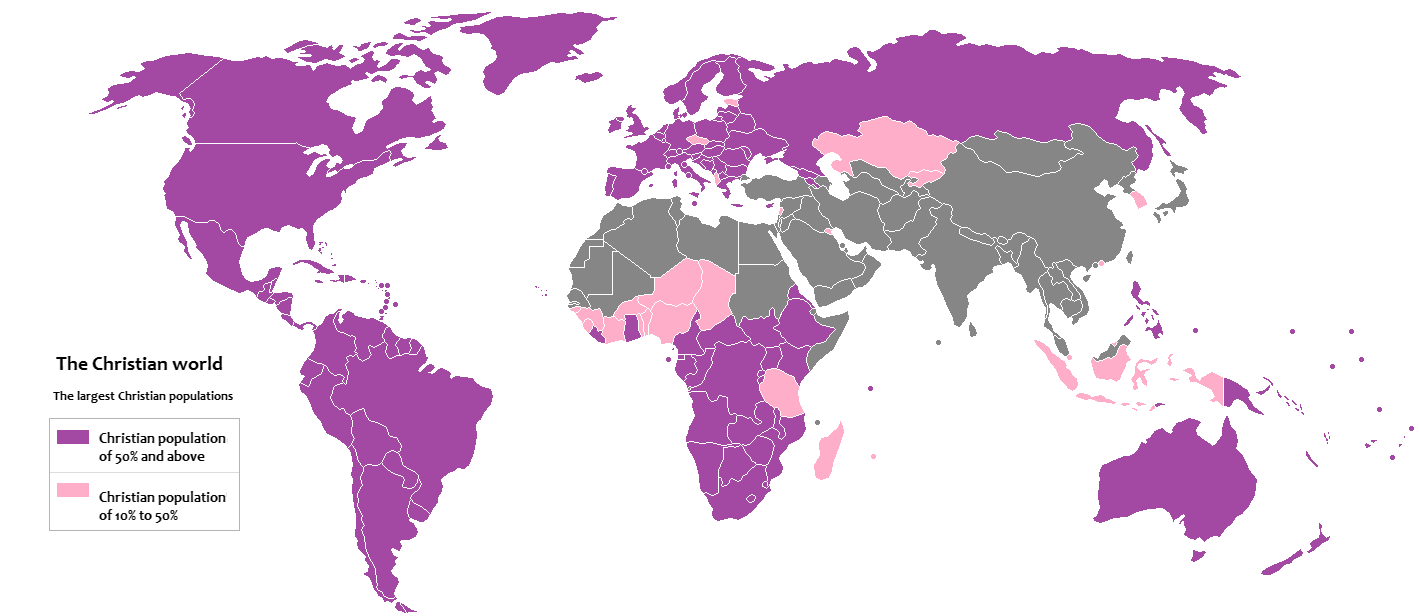
Human concepts are similar enough that we can talk to each other. Human aesthetics are similar enough that there's a billion dollar video game industry. Human emotions are similar enough that Macbeth is still being produced three hundred years later on the other side of the globe. We have the same anatomical and functional regions in our brains. Parents everywhere use baby talk. On all six populated continents there are countries in which more than half of the population identifies with the Christian religions.
For all those similarities, is humanity really going to be split over the Repugnant Conclusion? Even if the Repugnant Conclusion is more of a challenge than muscling past a few inductive biases (scope insensitivity and the attribute substitution heuristic are also universal), I think we have some decent prospect for a future in which you don't have to kill me. Whatever will help us to get to that future, that's what I'm looking for when I say "right". No matter how small our shared values are once we've felt the weight of relevant moral arguments, that's what we need to find.
This comment may be a little scattered; I apologize. (In particular, much of this discussion is beside the point of my original claim that Eliezer really is a meta-ethical relativist, about which see my last paragraph).
I certainly don't think we have to escalate to violence. But I do think there are subjects on which we might never come to agreement even given arbitrary time and self-improvement and processing power. Some of these are minor judgments; some are more important. But they're very real.
In a number of places Eliezer commented that he's not to...
From Costanza's original thread (entire text):
Meta: