My comment was aimed more at one side in the GMO debate rather than specifically at you.
we have a longer body of evidence for traditional food engineering (selection, cross-breeding, etc) than we do for direct genetic modification by several orders of magnitude--conservatively: 50 years compared to ~5,000 years.
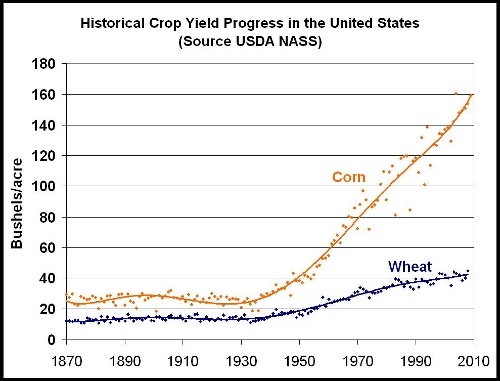
This is not true. First, both "traditional food engineering" and GMO are ridiculously broad terms and it's hard to say anything meaningful which applies to the whole category. The main issue, however, is that traditional cross-breeding and such perform major genetic surgery, albeit with crude tools. Look e.g. at this -- you think it's the same corn and wheat? The Green Revolution was so successful precisely because it changed the crops grown. The wheat you're eating is very much not the same thing which was eaten thousands of years ago.
I think you're drawing two specious conclusions:
First, "traditional food engineering" and GMO do refer to various practices, but there is a very clear distinction of method drawn by those terms. The "traditional" method short circuits natural reproductive process to cultivate desired traits, where as GMO methods entail the direct modification of genes by means external to the reproductive process. To say that repeatedly selecting the largest head of wheat and breeding from that stock is "the same" as injecting new DNA into an ...
Basically: How does one pursue the truth when direct engagement with evidence is infeasible?
I came to this question while discussing GMO labeling. In this case I am obviously not in a position to experiment for myself, but furthermore: I do not have the time to build up the bank of background understanding to engage vigorously with the study results themselves. I can look at them with a decent secondary education's understanding of experimental method, genetics, and biology, but that is the extent of it.
In this situation I usually find myself reduced to weighing the proclamations of authorities: