Work culture creep
epistemic status: This is not my field of study. I am working through some ideas here that I think might resonate with the community. I am a fun, happy, goofy dad. I can play music and perform magic tricks. I sing silly songs and make stupid jokes. However, for 8 out of the 16 hours that I am awake, I sit at a desk, type, occasionally take phone calls, and talk about workflow. That's what I do 50% of my weekdays. I am on a journey, trying to figure out what can be done to prevent these work habits from leaking into my personal life. this post will be three major sections: * First, I'll argue that work habits are bad for personal life. * After that, I'll contend that they are impossible to completely isolate from home life. * Finally, I'll get into my thoughts on mitigating them. This post is me working through some ideas. I'll do a separate post later on the efficacy of these. work behaviors don't generally port into personal life Why are work-life and home life-different? I try to optimize my decisions and behavior so that me and my family are happy and healthy. But when I work, I am a piece of a company that has different priorities. Some companies optimize on profits, some non-profits optimize on effect of some type, but no company optimizes on the happiness and well-being of their employees. Some companies care, but it's never the overarching goal. This isn't an anti-work post, companies have to do this or they wouldn't be a company. That's okay by me. My goal at home is to keep my family happy and healthy, my goal at work is to accomplish tasks for the company. Because part of my job is to help my company accomplish their goal, some of my behavior at work is completely unaligned with behavior outside work. I am not saying this behavior is bad at work, I'm just saying it would not usually be behavioral choices I would make outside work. Work-behaviors have to be different from home-behaviors because all the incentives are different. Birds are
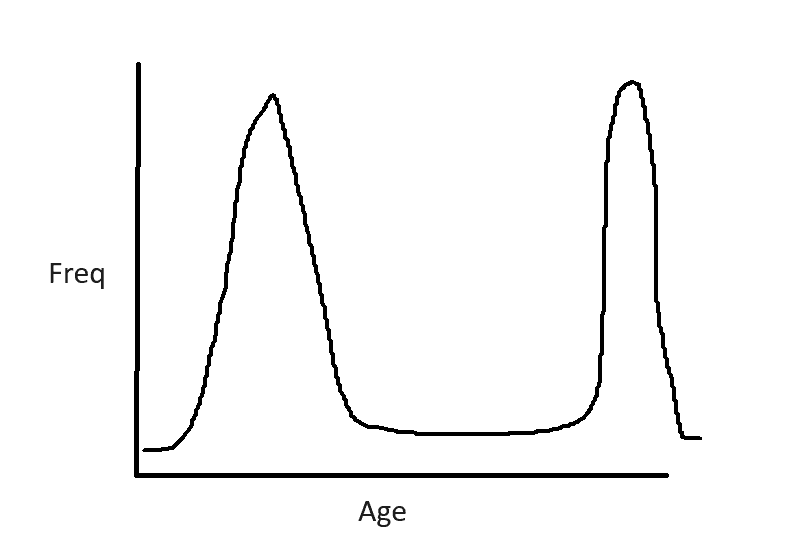

Hey, I actually had to Google the 80/20 rule because it wasn't too familiar to me.
80% of the output comes from 20% of the input.
I like applying this idea to my example a lot. Doing a job 20% of the way will have high yield results, after that... the effort to result tradeoff begins to fall off and you get less for your effort.
Thanks for the insight