It’s been two months now since I quit working in the company that bought my startup. Two months into this phase of the void. I was looking forward to it; I also felt the fear. It’s a phase in between projects, in between lives. A transition.
When people asked me, “What will you do now?” I replied, “I just want to free-float for a year or two.” There’s a lot of catching up to do and a lot of infrastructure work after the intense years. So it’s busy in the transition, and yet there is enough space to begin feeling those large shapes in the dark. The ancient statues towering above one’s life,... (read 835 more words →)
That’s an interesting coincidence. Yes, the desire to receive credit seems almost immoral in some circumstances. I wonder if it has to do with the Christian roots that cousin_it is pointing to below.
Other cultures have different attitudes. I recall reading about Viking rituals called Bragas. After a battle, the clan would gather around a table, feast, drink and each warrior would brag mightily about their heroic deeds. If they couldn’t brag well (claim credit), they would be laughed at.
And thank you for your thoughts - after writing this, I came across your post on how “The best frequently don't rise to the top.” It struck me as quite related to this. I’d say that in your own words, you were writing about the delta between merit and credit. Or that’s how I read it.
Thank you. Yes, agreed, that’s a significantly older instance. I wonder if we would find this also trickled down into Christianity from other ancient religions.
If a good deed is done and no one is around to see it, does it make a sound?
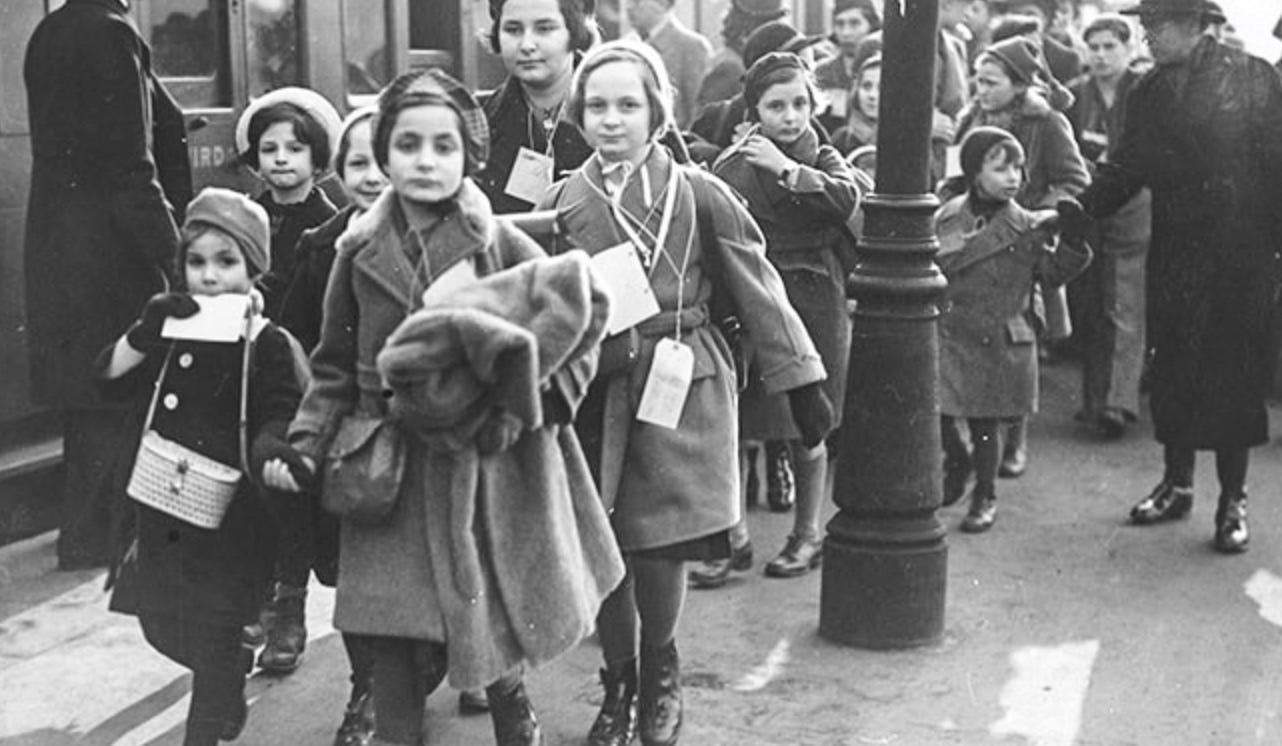
In 1939, Nicholas Winton found himself on a volunteer mission in pre-war Prague. Recognizing the darkening position of the Jews, he helped organize train transports that saved 669 children from concentration camps. Today, many of us have heard this fascinating story of good character. But the story was only uncovered in 1988 by the BBC, nearly 50 years later. Sir Nicholas is said to have never talked about it himself. To most of us, those uncredited decades are powerful and puzzling.
If a good deed is done and no one is around... (read 772 more words →)
do you have any published papers on this? or, what are the top papers on the topic?