The Unreasonable Effectiveness of Fiction
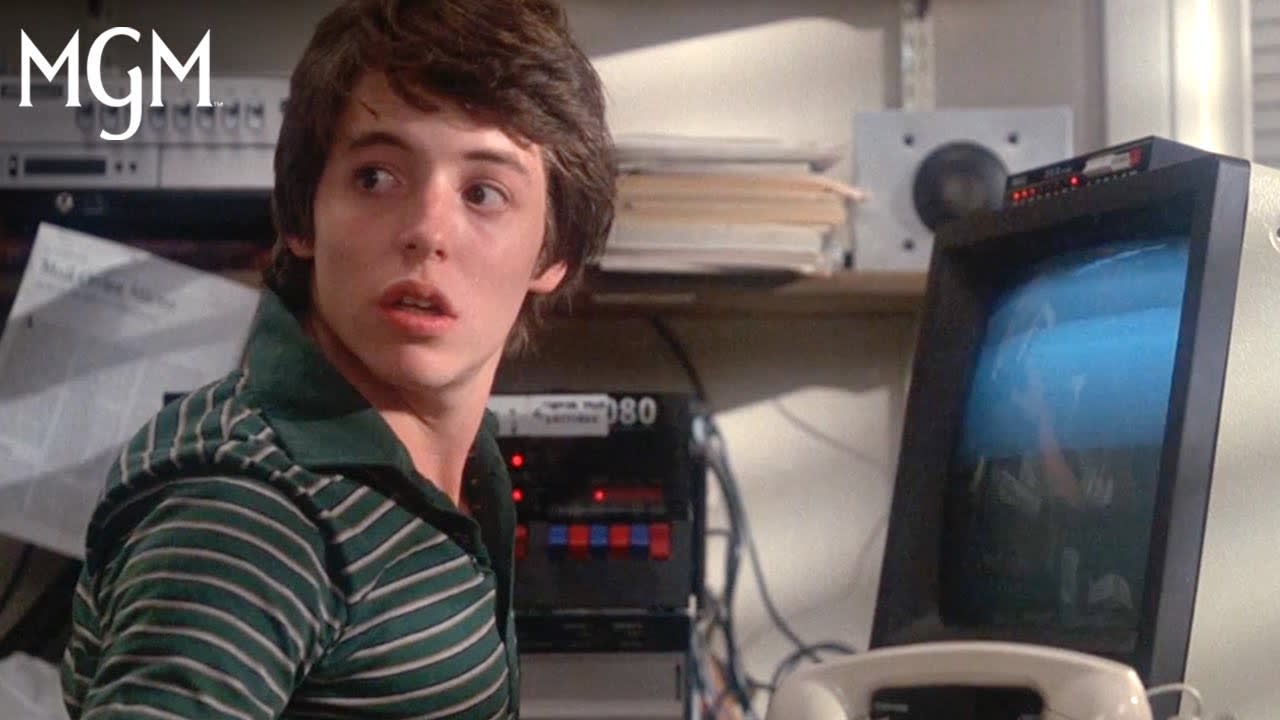
[Meta: This is Max Harms. I wrote a novel about China and AGI, which comes out today. This essay from my fiction newsletter has been slightly modified for LessWrong.] In the summer of 1983, Ronald Reagan sat down to watch the film War Games, starring Matthew Broderick as a teen hacker. In the movie, Broderick's character accidentally gains access to a military supercomputer with an AI that almost starts World War III. “The only winning move is not to play.” After watching the movie, Reagan, newly concerned with the possibility of hackers causing real harm, ordered a full national security review. The response: “Mr. President, the problem is much worse than you think.” Soon after, the Department of Defense revamped their cybersecurity policies and the first federal directives and laws against malicious hacking were put in place. But War Games wasn't the only story to influence Reagan. His administration pushed for the Strategic Defense Initiative ("Star Wars") in part, perhaps, because the central technology—a laser that shoots down missiles—resembles the core technology behind the 1940 spy film Murder in the Air, which had Reagan as lead actor. Reagan was apparently such a superfan of The Day the Earth Stood Still that he repeatedly told General Colin Powell (and Mikhail Gorbachev!) that the USA and the USSR could find peace if only there was an alien invasion. Mr. President, I'm afraid this movie poster is mostly a reflection of cognitive biases, rather than the universal attractiveness of hot babes. Reagan isn't the only important figure to be heavily influenced by fiction. Joe Biden reportedly grew concerned about AI after watching Mission: Impossible. Elon Musk credits Douglas Adams for guiding him through a childhood existential crisis, giving credit to him and Isaac Asimov for shaping his philosophy.[1] The stories of Robert Heinlein also likely served as inspiration for privatizing spaceflight and the development of reusable rockets. Leo Szilard said of


This is great. I don't remember the last time a post made me flip so hard from "the thesis is obviously false" to "the thesis is obviously true"! And not just because I didn't understand it, but also because I learned a thing. (Tho part was a pedagogically useful misunderstanding.)